 Video API
Kling 2.1
Save 10%
High-motion video generation for cinematic shots, ads, and product stories.
Access the latest AI models for image, video, and audio in one place. Every model comes with its own API endpoint, enabling your team to test faster, integrate more easily, and manage production more simply.
Video API
High-motion video generation for cinematic shots, ads, and product stories.
 Image API
Image generation and editing for product visuals, posters, and creative workflows.

Natural motion video model.
 Gemini
 GPT-Image
 Grok
Grok Qwen
Qwen Wan
Wan Veo
Veo Seedance
 Kling
Kling Hailuo
 HappyHorse
 Skyreels
Browse the latest image, video, and audio models available through our API platform.

Doubao Seedance 4.5 delivers advanced AI image generation capabilities for creating high-quality visuals from text prompts and reference images. Generate photorealistic, artistic, and stylized images with flexible aspect ratios, 2K/4K output, and support for multi-image generation.

GPT Image 2 is OpenAI's advanced image generation and editing model, built for producing high-quality images from text prompts and reference images. It supports flexible aspect ratios, custom pixel sizes, mask-based inpainting workflows, and up to 4k output resolution.

Nano Banana Pro is powered by Google's Gemini 3 Pro Image Preview, an advanced AI image generation and editing model for creating and refining high-quality visuals from text prompts and reference images. It supports up to 4K output, image-to-image generation, and mask-based inpainting.

Qwen Image 2.0 Pro delivers powerful AI image generation and image-to-image capabilities for creating stunning visuals from text prompts or public reference image URLs, with flexible aspect ratios, 1K/2K output resolution, and negative prompts for more controlled generation.
Doubao Seedance 2.0 is ByteDance's latest AI video generation model for creating cinematic videos from text prompts, reference images, videos, or audio. With flexible aspect ratios, 4-15 second videos, and up to 1080p output, it's built for professional-grade video creation workflows.

HappyHorse 1.0 is Alibaba ATH-AI's unified multimodal video model for generating and editing videos from text prompts, reference images, or source videos. It creates 3-15 second videos at up to 1080P resolution with synchronized native audio, and supports 7-language lip-sync and edit-mode audio controls.
Veo 3.1 Quality is Google DeepMind's premium AI video generation model for creating professional videos. It delivers enhanced audiovisual quality with native synchronized audio, up to 4K output, and refined controls for frame guidance, resizing, negative prompts, and person generation.
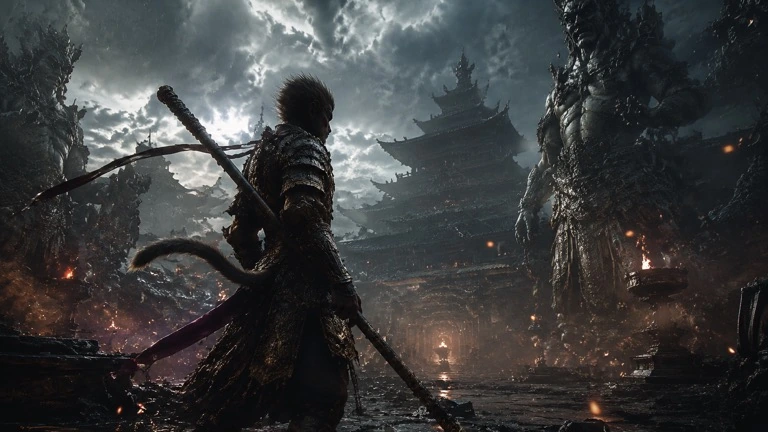
Wan 2.7 R2V is Wan's reference-to-video AI model, built for creating high-quality videos from text prompts, reference images, or reference videos. Tuned for flexible creative workflows, it brings up to 1080P output, flexible aspect ratios, and reference voice guidance.
Built for product and engineering teams that need a simpler way to access and manage AI models across image, video, and audio use cases.

One endpoint per model, making integration clearer, testing easier, and model behavior more easier to understand.
See how teams can integrate image, video, and audio capabilities through model-specific APIs. Switch between common AI work to preview sample requests and outputs across generation, editing, and media creation.
curl https://api.mindvideo.ai/v1/images/generations \
  -H "Authorization: Bearer $OPENAI_API_KEY" \
  -H "Content-Type: application/json" \
  -d '{
    "model": "gpt-image-1.5",
    "prompt": "A cinematic product photo of a sleek wireless headphone on a marble surface, soft studio lighting, premium marketing style",
    "size": "1024x1024",
    "quality": "high",
    "n": 1
  }'
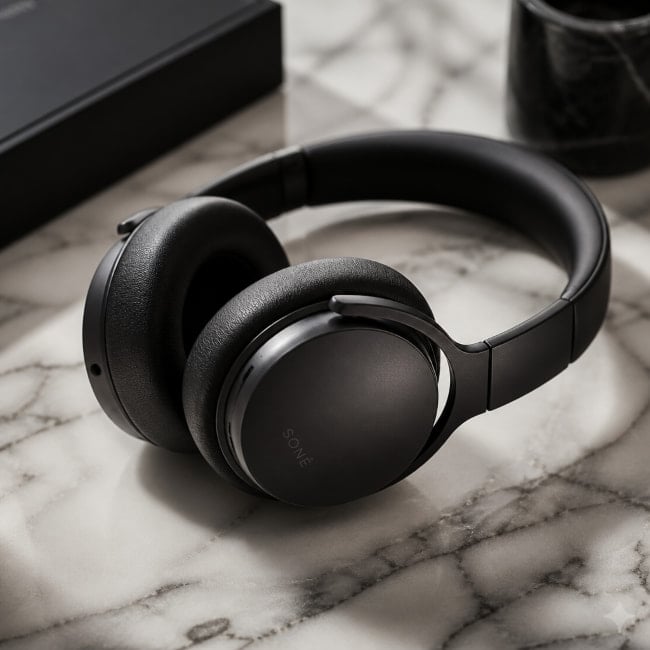
From model discovery to integration and ongoing evaluation, the platform helps teams work with AI models in a clearer, more structured way.
Browse available image, video, and audio models in one place with a clearer view of what is available.
See sample requests and outputs so your team can understand each model faster.
Find and compare models more easily when exploring new use cases or planning integrations.
Access more models over time as the platform continues to expand.
Support repeated testing, evaluation, and integration as your product evolves.
See models and available versions more clearly, helping teams evaluate and adopt the model more easily.
Feedback from developers and product teams building with our image, video, and audio APIs.
What stood out to us first was how clear the API structure felt. Having one endpoint per model made testing much easier than what we were used to.
We were comparing several image models in a short time, and the setup felt much more manageable than expected. It saved our team a lot of back-and-forth.
A lot of API platforms feel flexible at first and messy later. This one felt more structured from the beginning, which made it easier for us to evaluate models with less confusion.
We started with image workflows, but what we liked was that video and audio already felt within reach. That matters when you are building a product in stages.
The sample requests were genuinely helpful. We did not have to guess how a model was supposed to be used before trying it in our own workflow.
We test models often, so clear platform did not try to hide model differences behind one generic layer. It made comparison easier for our use case.
It felt easier to explain internally. Product, engineering, and ops could all understand model were organized without needing a long walkthrough.
MindVideo is an API platform for accessing image, video, and audio AI models. It is built for product and engineering teams that need a simpler way to test, integrate, and manage models across different workflows.
We focus on image, video, and audio models. This includes models for generation, editing, enhancement, speech, and other common media AI tasks.
Our API uses a one-model, one-endpoint structure. Instead of routing many models through a single generic endpoint, each model has its own dedicated API path for clearer integration and easier testing.
Yes. MindVideo AI is designed to make model evaluation easier, so teams can explore and compare image, video, and audio models before moving into production workflows.
It is built for both product and engineering teams. Developers get clear API structures and examples, while product teams get a simpler way to explore models and evaluate use cases.
Yes. We aim to provide practical documentation, sample requests, and example outputs to help teams move from evaluation to integration more quickly.
Explore model-specific APIs for images, videos, and audio to achieve faster evaluation and cleaner integration.